
The Allure of Casino Games
Casino games have a unique allure that draws players from various backgrounds into their vibrant environments. This attraction is deeply rooted in psychology, as the games are designed to evoke excitement and a sense of possibility. Players often find themselves captivated not only by the games but also by the overall sensory experience of the casino, which includes bright lights, engaging sounds, and a social ambiance that can enhance the gaming experience, especially when exploring options like a bitcoin sportsbook.
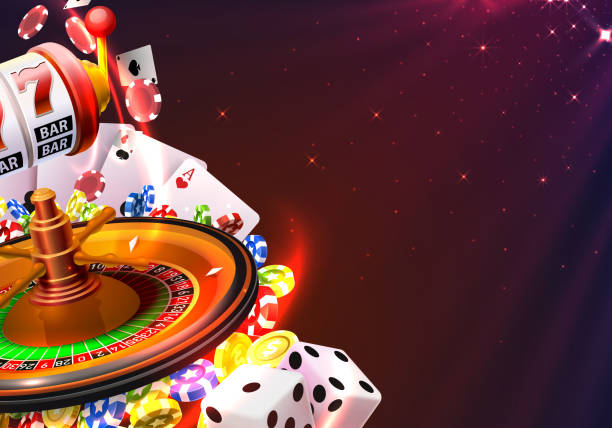
This sensory immersion triggers a release of dopamine in the brain, a neurotransmitter often associated with pleasure and reward. As players engage with games, their brains begin to associate the outcomes with intense feelings of enjoyment and excitement, reinforcing their desire to play again. This cycle of reward can lead to a pattern of behavior where individuals become more invested in their playing experience, sometimes to the detriment of their financial stability and personal lives.
The Role of Cognitive Biases
Cognitive biases play a significant role in how players perceive casino games and their outcomes. One common bias is the illusion of control, where players believe they can influence the outcomes of games based on their strategies or skills, even in games of pure chance like slots or roulette. This belief can lead players to take excessive risks, as they may feel more empowered than they truly are, resulting in increased time and money spent in casinos.
Another prevalent cognitive bias is the gambler’s fallacy, where individuals mistakenly believe that past outcomes influence future results. For instance, if a particular number hasn’t come up in a roulette game for several spins, players may feel it is ‘due’ to appear. These biases skew rational decision-making, prompting players to engage in behaviors that are not aligned with the odds of winning, thus perpetuating the cycle of gambling.
The Impact of Social Influence
Social dynamics also significantly impact player behavior in casinos. Gambling is not only an individual pursuit but often a social activity that fosters camaraderie among players. The presence of friends or the element of communal play in certain games can enhance the overall experience, leading to increased spending and prolonged participation. Observing others win can generate excitement and a desire to join in, often resulting in impulsive decisions to gamble more than originally intended.
Furthermore, casinos often leverage these social elements by designing spaces that encourage group interactions. Whether it’s through table games or shared gaming experiences, the environment is curated to enhance community engagement, making it more likely for players to become involved and spend time within the casino. This social reinforcement can be extremely powerful, as winning is often celebrated in groups, further embedding the appeal of gambling within social contexts.
The emotional highs and lows associated with winning and losing can strongly influence player behavior. Winning produces a rush of positive emotions, leading to a sense of euphoria that can be addictive. This euphoric state often reinforces the desire to continue playing, as players seek to replicate the feelings associated with winning. On the other hand, losing can evoke feelings of frustration or despondency, prompting some players to chase their losses in an attempt to regain what they have lost, a behavior commonly referred to as “tilting.”
This emotional rollercoaster can create a precarious balance for players, where the thrill of winning fuels further gambling while the pain of loss can lead to riskier behavior. Over time, this can create a compulsion to play, where the individual feels as though they must continue gambling to achieve the high of winning, regardless of the consequences.
Conclusion: Navigating Player Behavior and Responsibility
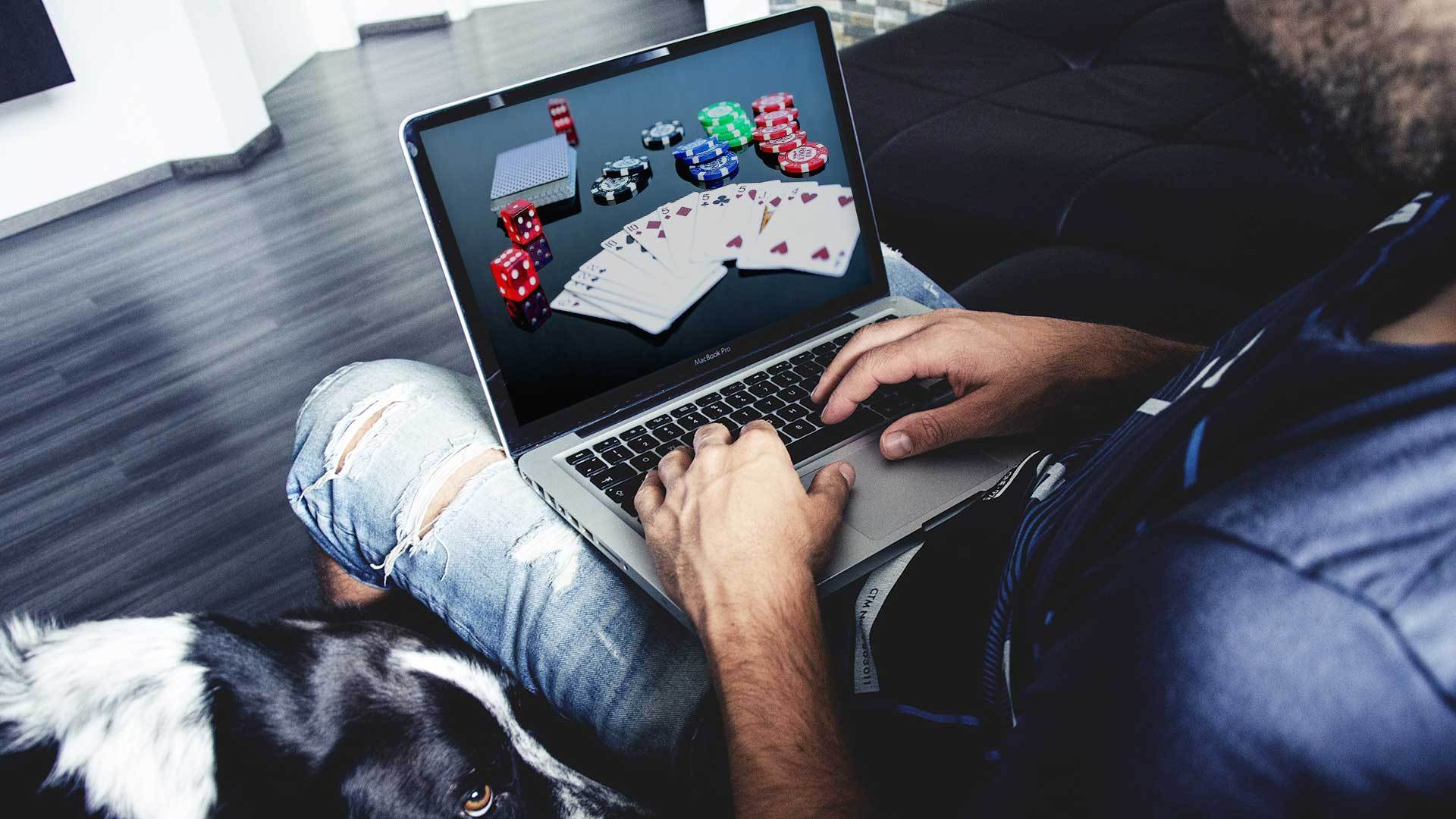
Understanding the psychology behind casino games and player behavior is essential for both players and those involved in the gambling industry. By recognizing the effects of cognitive biases, social influences, and the emotional impact of winning and losing, players can develop a more mindful approach to their gambling habits. It is crucial for individuals to remain aware of their motivations and the potential consequences of their actions while engaging in casino games.
For those navigating the often-challenging landscape of gambling, resources and support are available. Responsible gaming practices and awareness can help mitigate the risks associated with casino games, allowing individuals to enjoy these activities in moderation. Prioritizing a balanced approach to gambling is essential for both enjoyment and well-being in the gaming environment.