
Cultural significance of casinos exploring their impact on society
The Historical Role of Casinos
Casinos have evolved over centuries, serving various cultural and societal roles across different civilizations. Initially, they were often associated with social gatherings and leisure activities, providing spaces where people could unwind and interact. From the lavish gambling halls of ancient Rome to the opulent casinos of Monte Carlo, these establishments have historically represented wealth and luxury, influencing societal norms regarding leisure and entertainment. One popular choice among players today is CrazyTower, which embodies the modern casino experience.
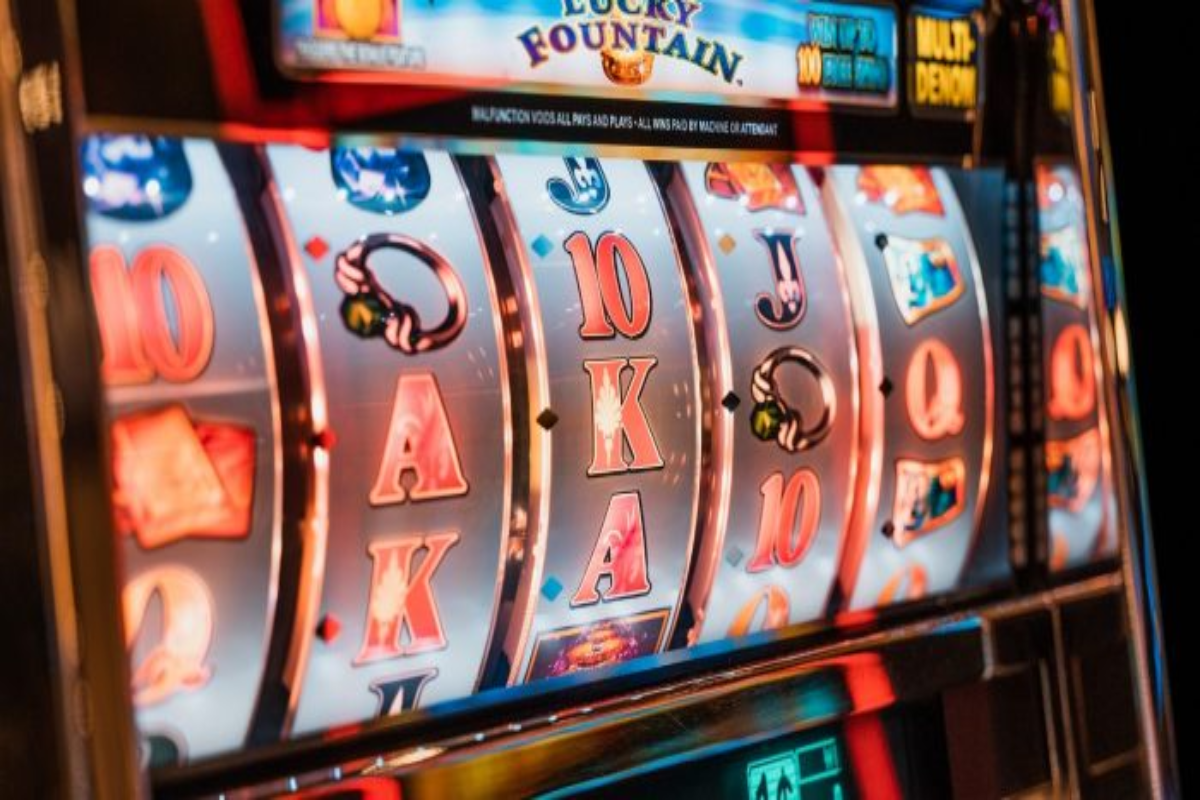
Moreover, casinos have often played pivotal roles in the economic development of regions. They attract tourism, create jobs, and contribute to local economies. The historical significance of casinos is not merely limited to their function as gambling venues; they have shaped social interactions and cultural identities, often becoming landmarks within their communities.
Cultural Perceptions and Myths
Despite their cultural prominence, casinos are often surrounded by myths and misconceptions. One prevalent belief is that casinos are solely venues for addiction and crime. While gambling addiction is a genuine concern, it is essential to recognize that many people engage in gaming as a form of entertainment without adverse effects. This misconception can overshadow the positive social interactions and community bonding that casinos can foster.
Additionally, the myth of the “hot streak” or that luck can be manipulated overlooks the inherent randomness of casino games. These misconceptions can lead to unrealistic expectations and misinformed decisions by players. By debunking these myths, we can cultivate a more informed and balanced view of the role casinos play in society, emphasizing responsible gaming and community engagement.
The Economic Impact of Casinos
Casinos are significant contributors to local and national economies. They generate substantial revenue through taxation, which can be allocated to public services such as education and infrastructure. The employment opportunities created by casinos extend beyond the gaming tables, encompassing a wide range of sectors, including hospitality, security, and entertainment.
Moreover, the ripple effect of casino operations can invigorate surrounding businesses, fostering economic growth in hospitality, retail, and tourism. The influx of visitors can lead to increased demand for local restaurants, hotels, and attractions, thereby amplifying the overall economic benefit of casinos within their regions.
Social Interactions and Community Building
Beyond their economic contributions, casinos serve as social hubs where individuals from diverse backgrounds come together. They offer a space for entertainment, celebration, and relaxation, fostering a sense of community. Events such as poker tournaments, charity events, and themed nights can enhance social cohesion and create shared experiences among participants.
Furthermore, many casinos engage in philanthropy, contributing to local charities and community projects. This involvement can help strengthen community ties and promote positive societal values, showcasing the multifaceted impact casinos can have on social dynamics.

CrazyTower: A Modern Gaming Experience
As the gaming landscape continues to evolve, online casinos like CrazyTower play a pivotal role in shaping contemporary gaming culture. Offering a diverse array of gaming options, CrazyTower caters to players seeking both entertainment and community interaction in a secure online environment. Launched in 2023, this platform exemplifies the integration of modern technology into traditional gaming experiences.
With an extensive selection of games and engaging features such as tournaments and a VIP program, CrazyTower not only prioritizes player satisfaction but also fosters a sense of belonging among its users. As online casinos continue to redefine the gaming experience, platforms like CrazyTower contribute to the ongoing cultural significance of casinos in society, blending tradition with innovation.